Digital Shoplifting

We were instructed to take an image from the internet and upload it to AI in order to turn it into a vector file to laser cut. 

I am very inspired by geometrical forms found in nature and how I can use digital fabrication and 3D modeling to explore these forms through generative design and computer simulation. The work done at Nervous System is a huge inspiration to me. 

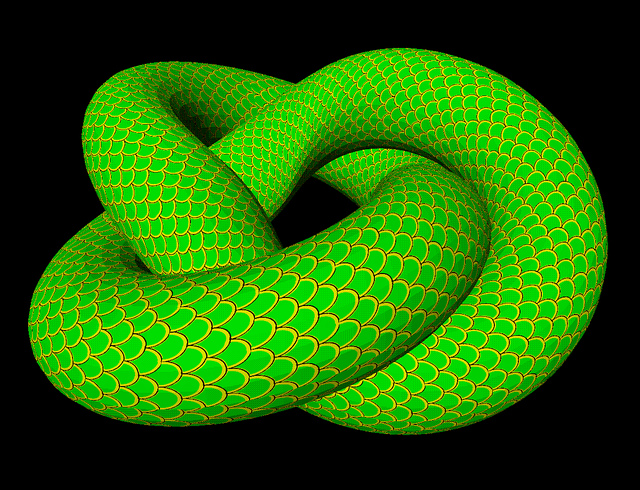
Torus Knot 3D Model:

Turning the image into a vector file:

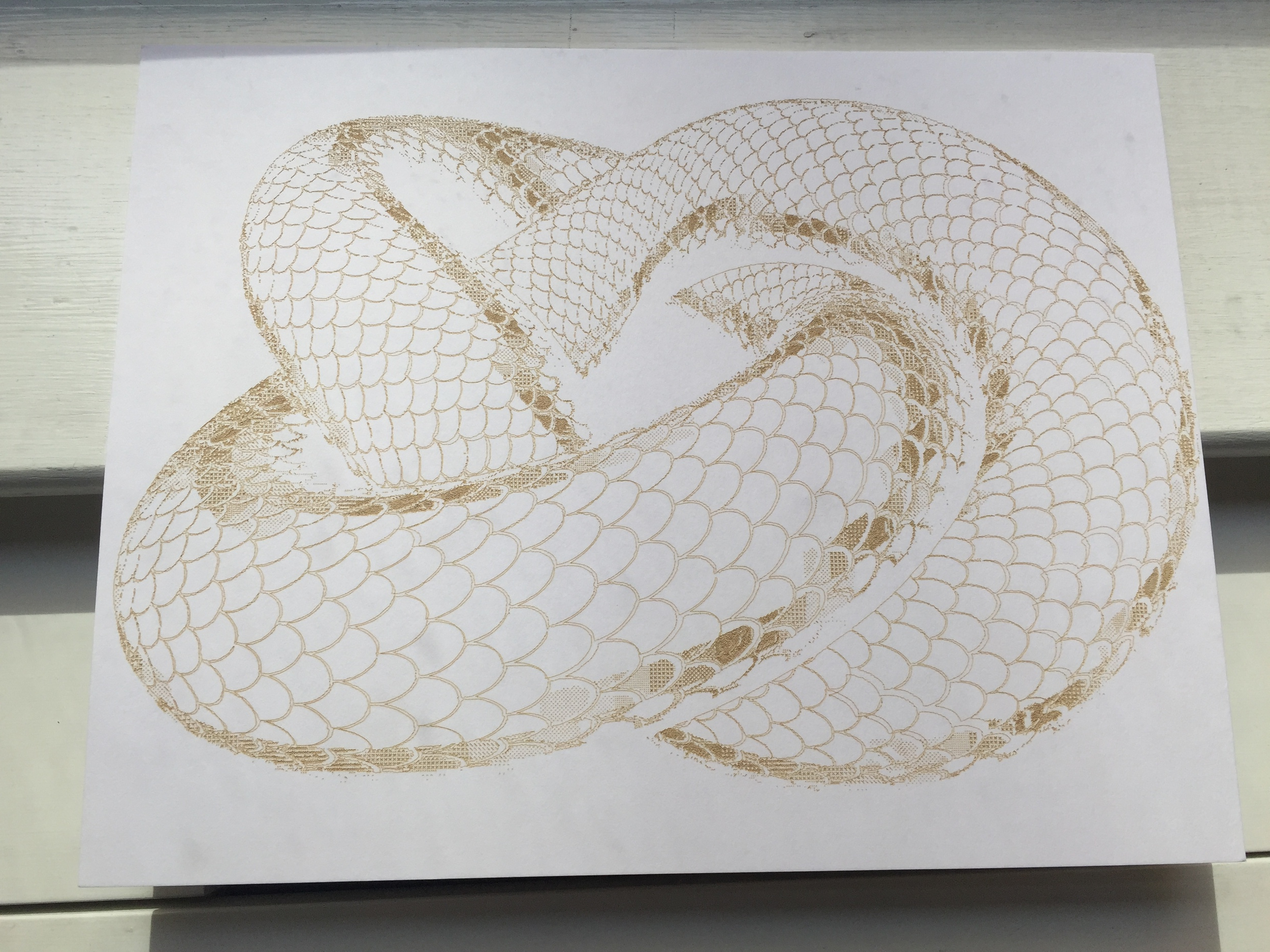
Using the laser cutter to make an etching on paper:

Final product:

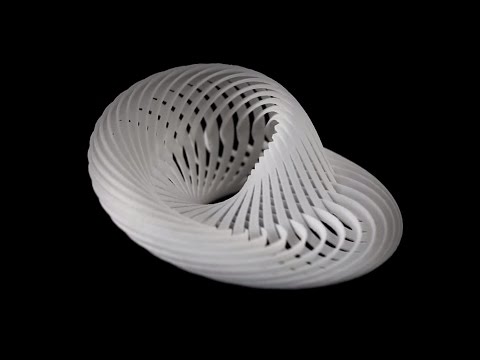
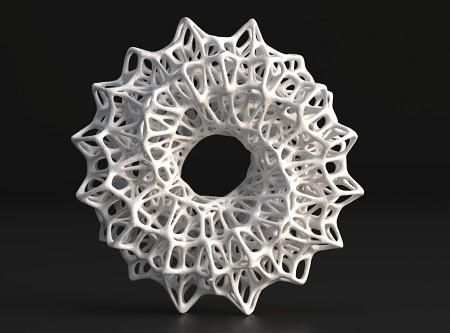
Inspirational images:

Prototype I: Playing with Scale

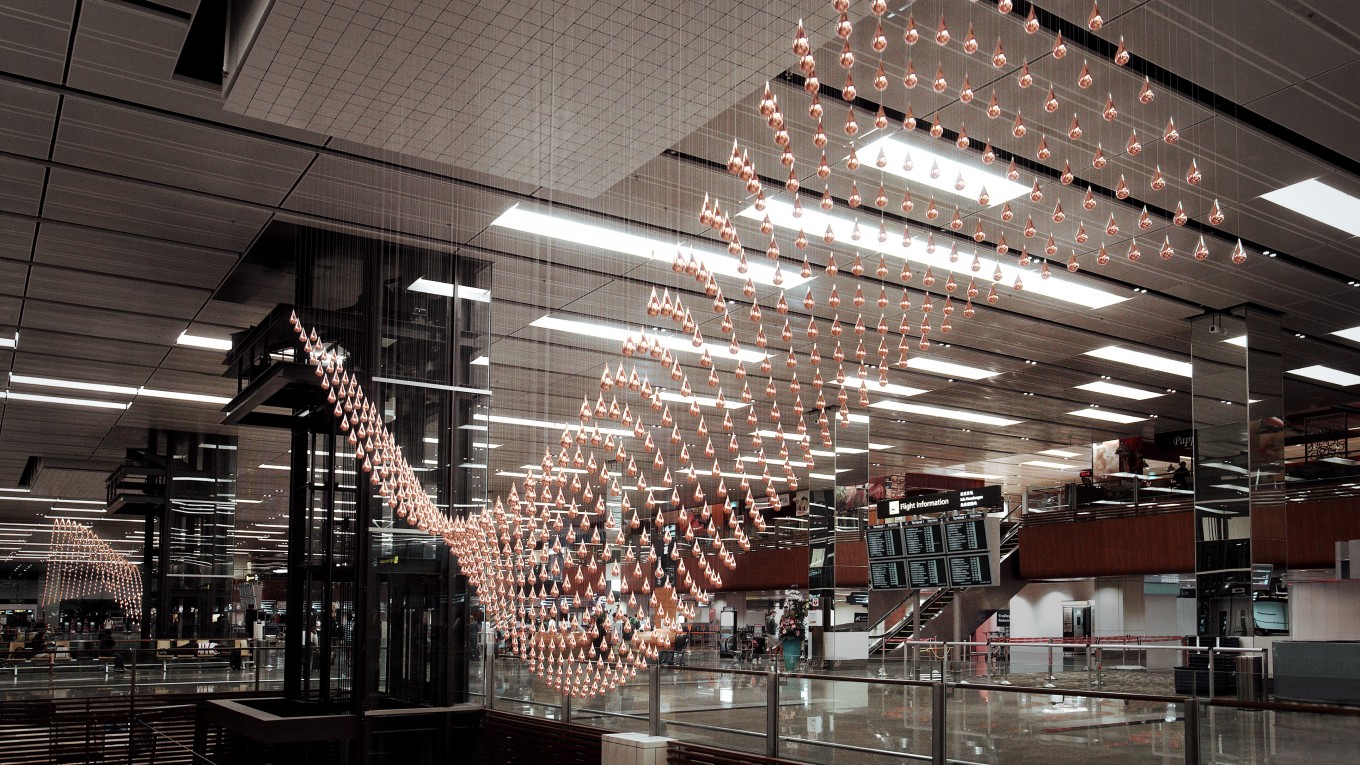
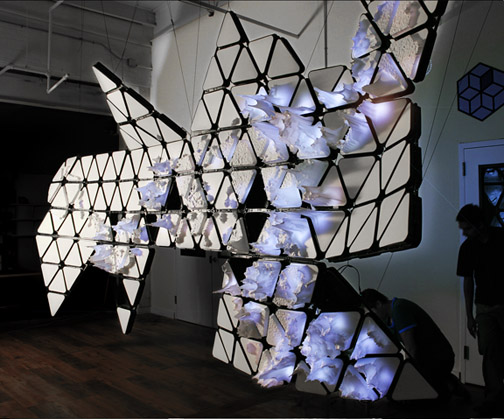
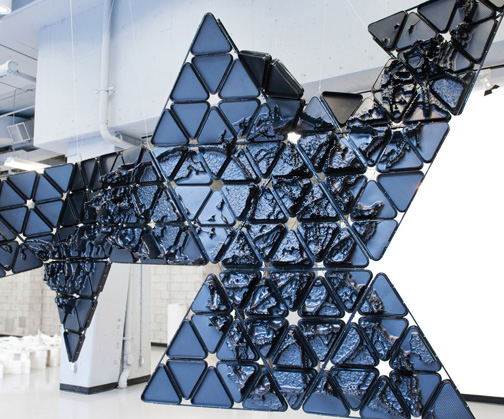
Inspirational images of large scale installations:

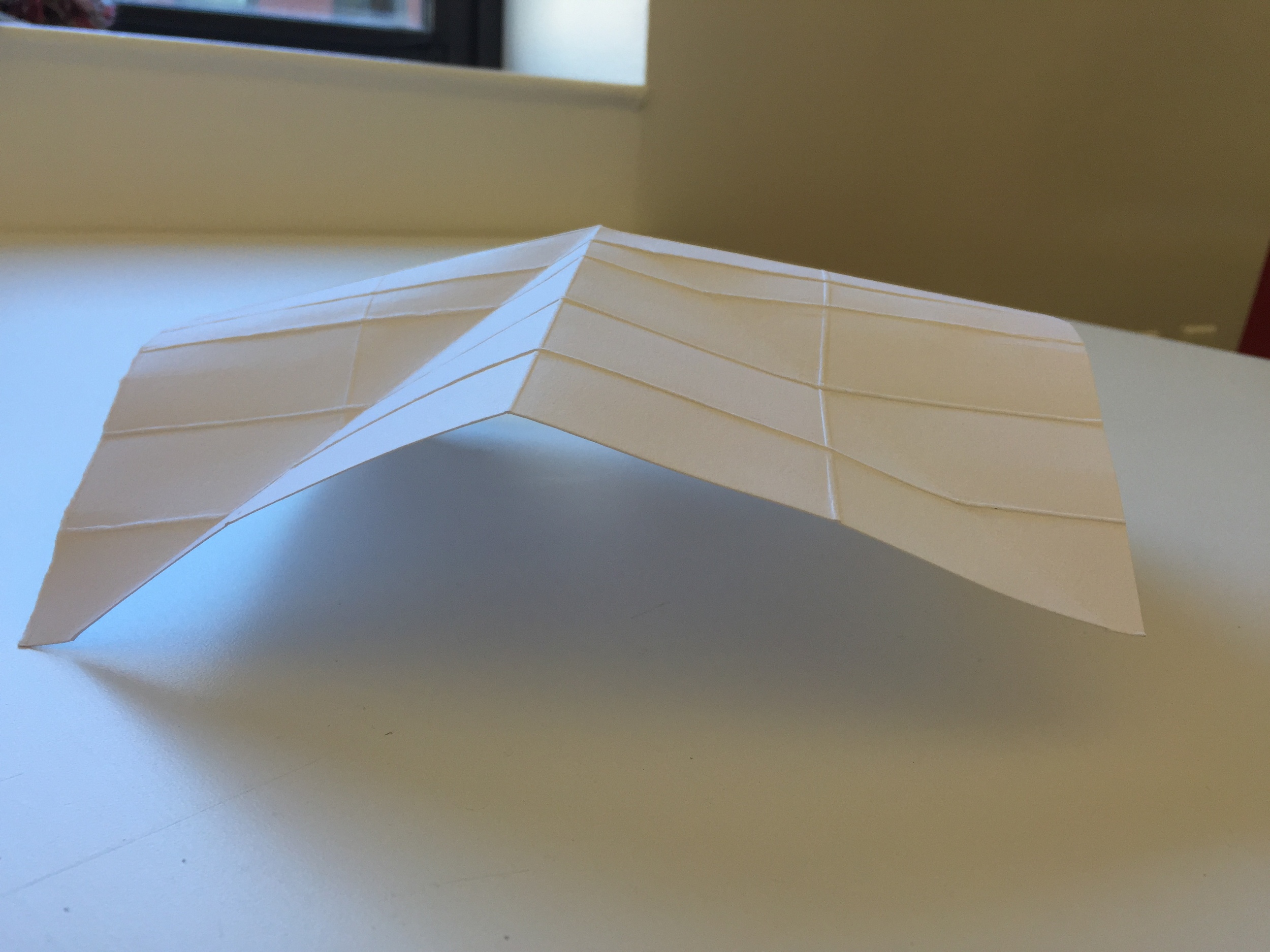
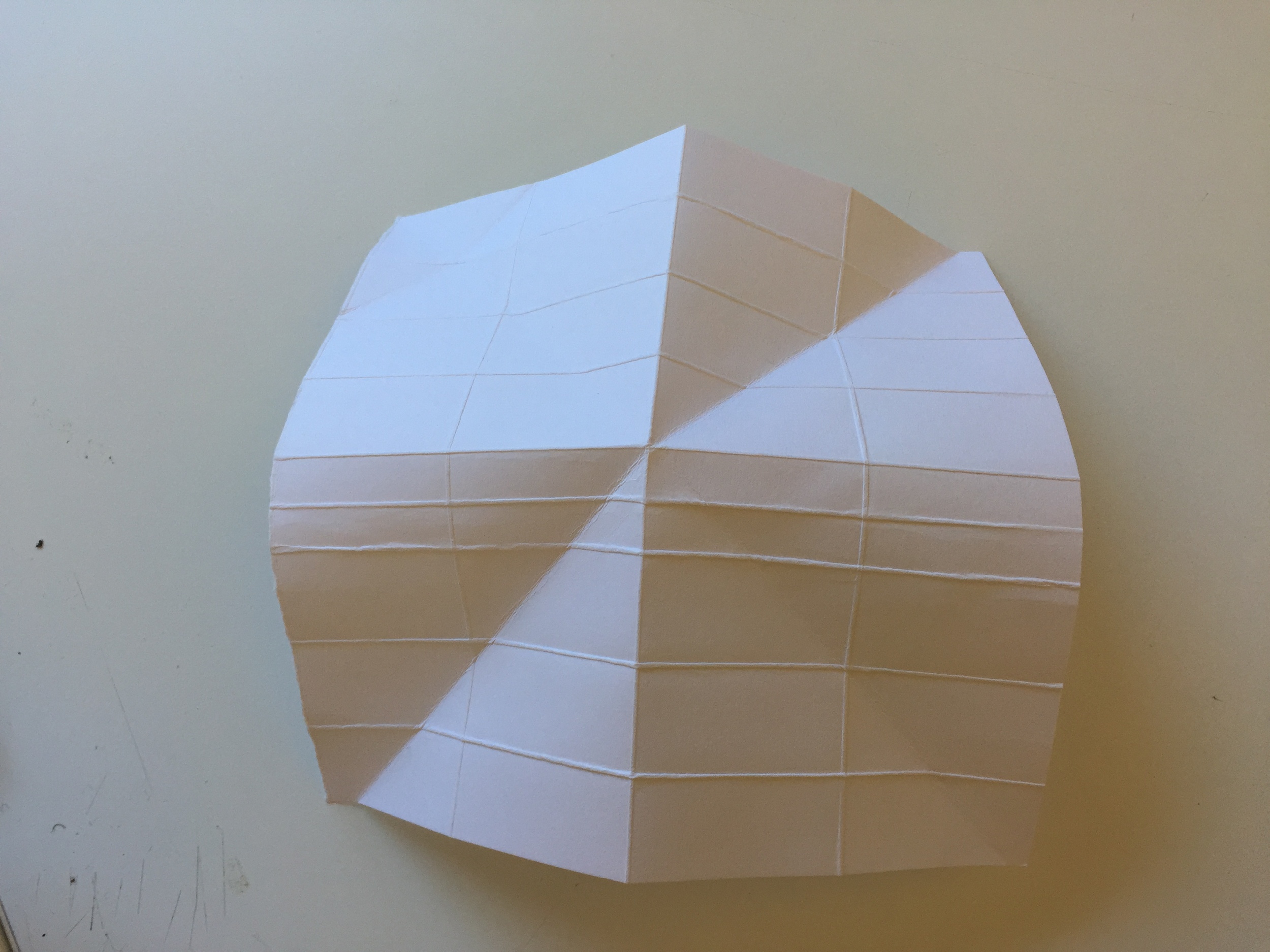
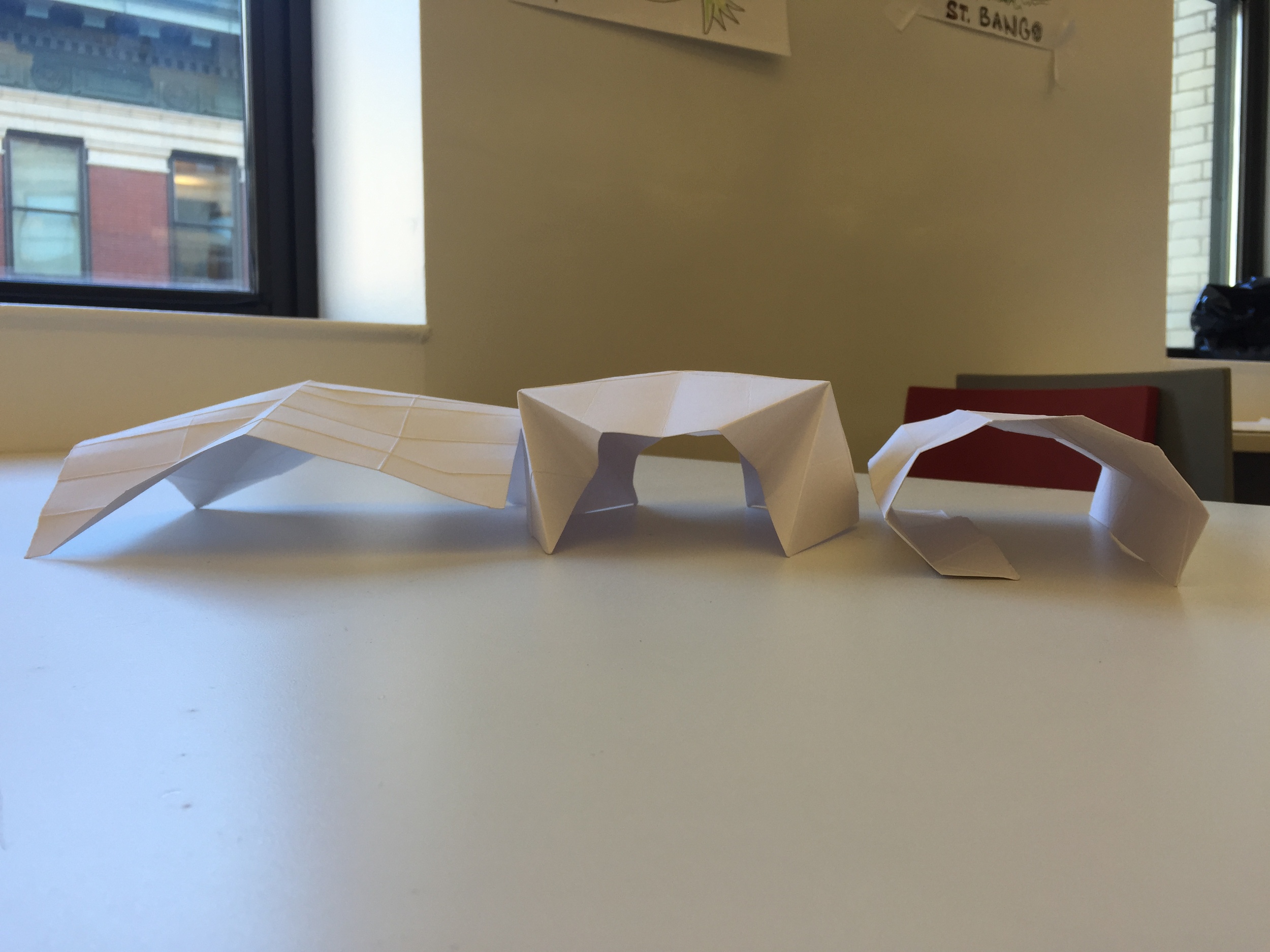
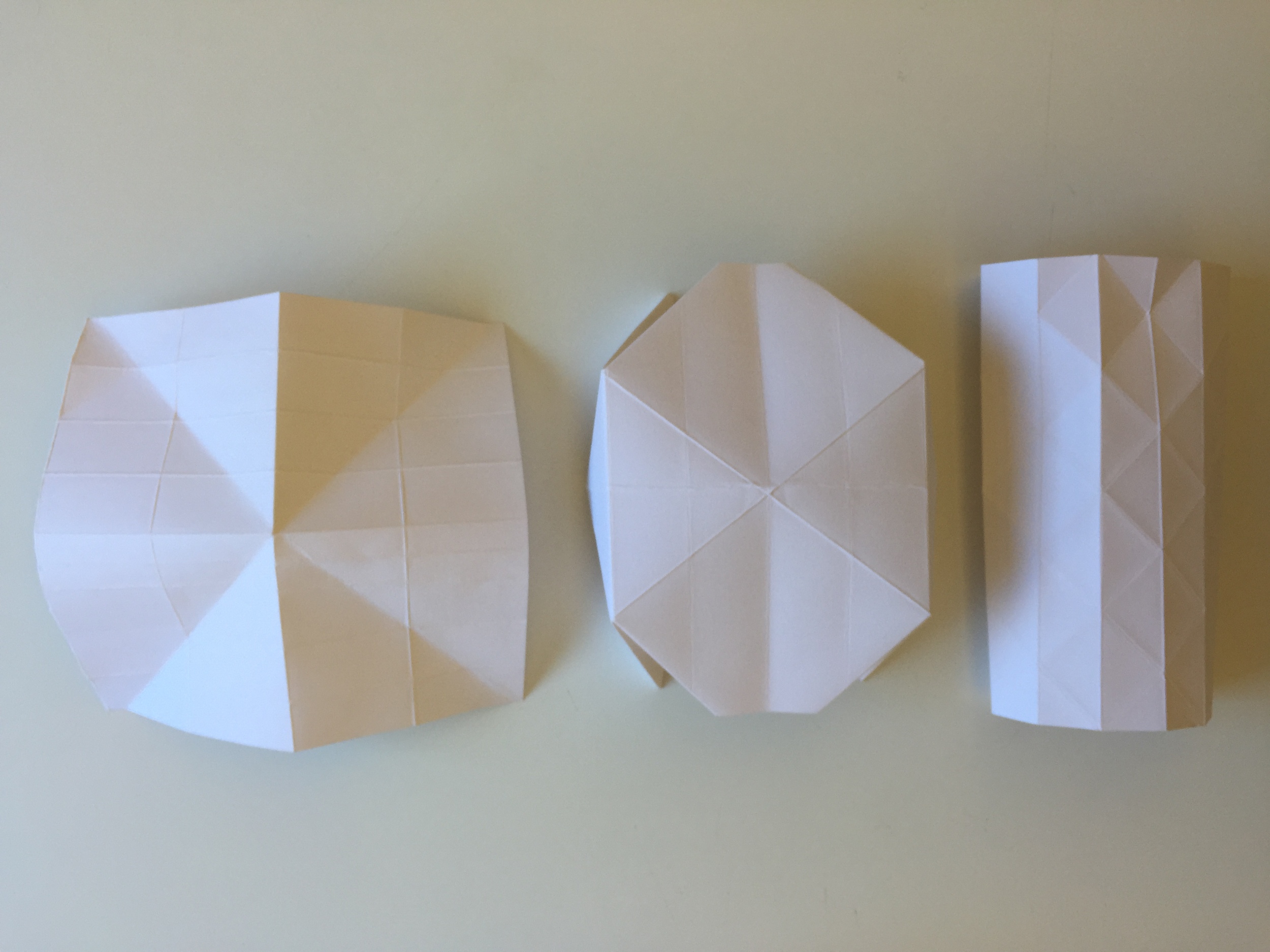
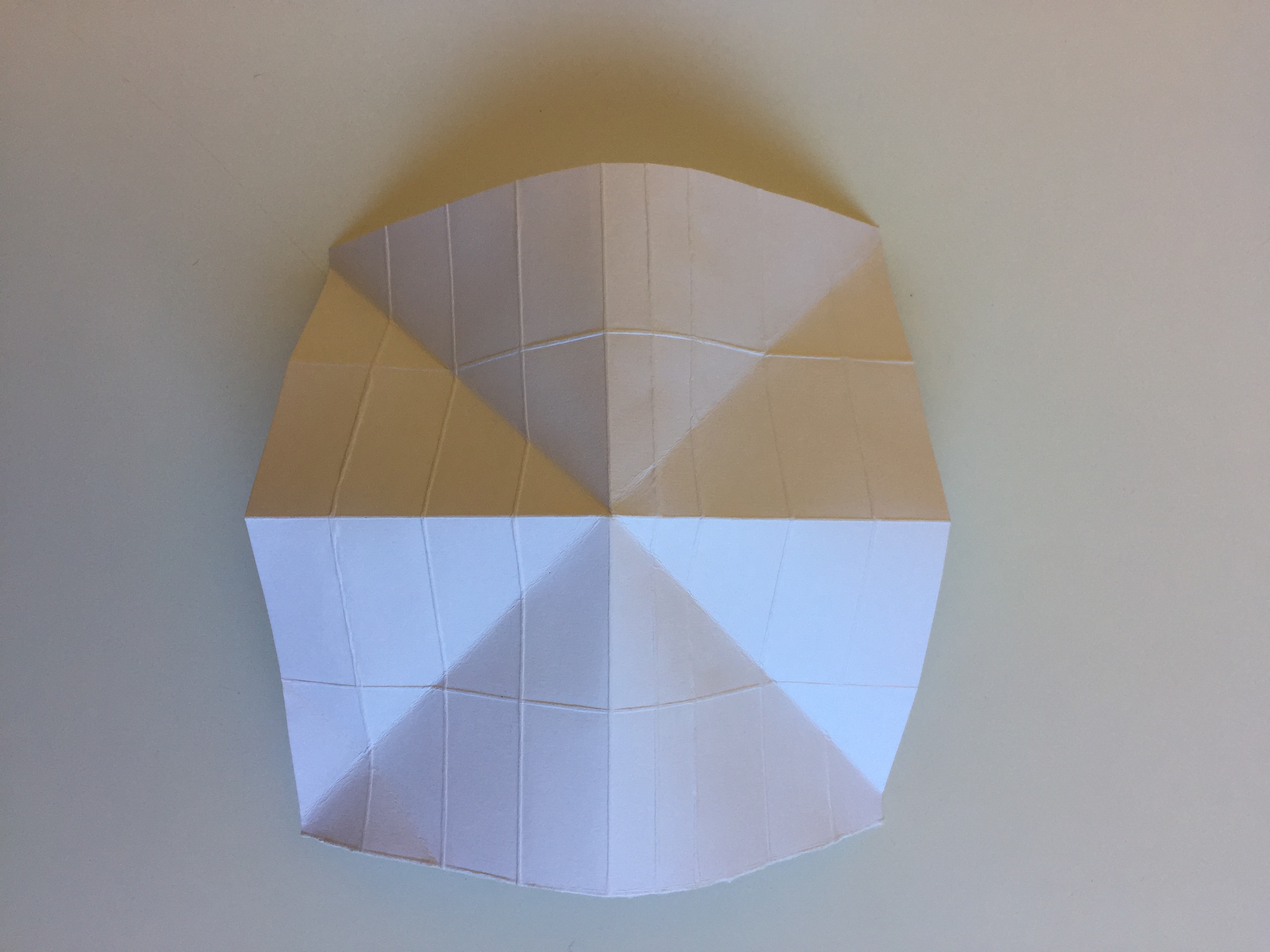
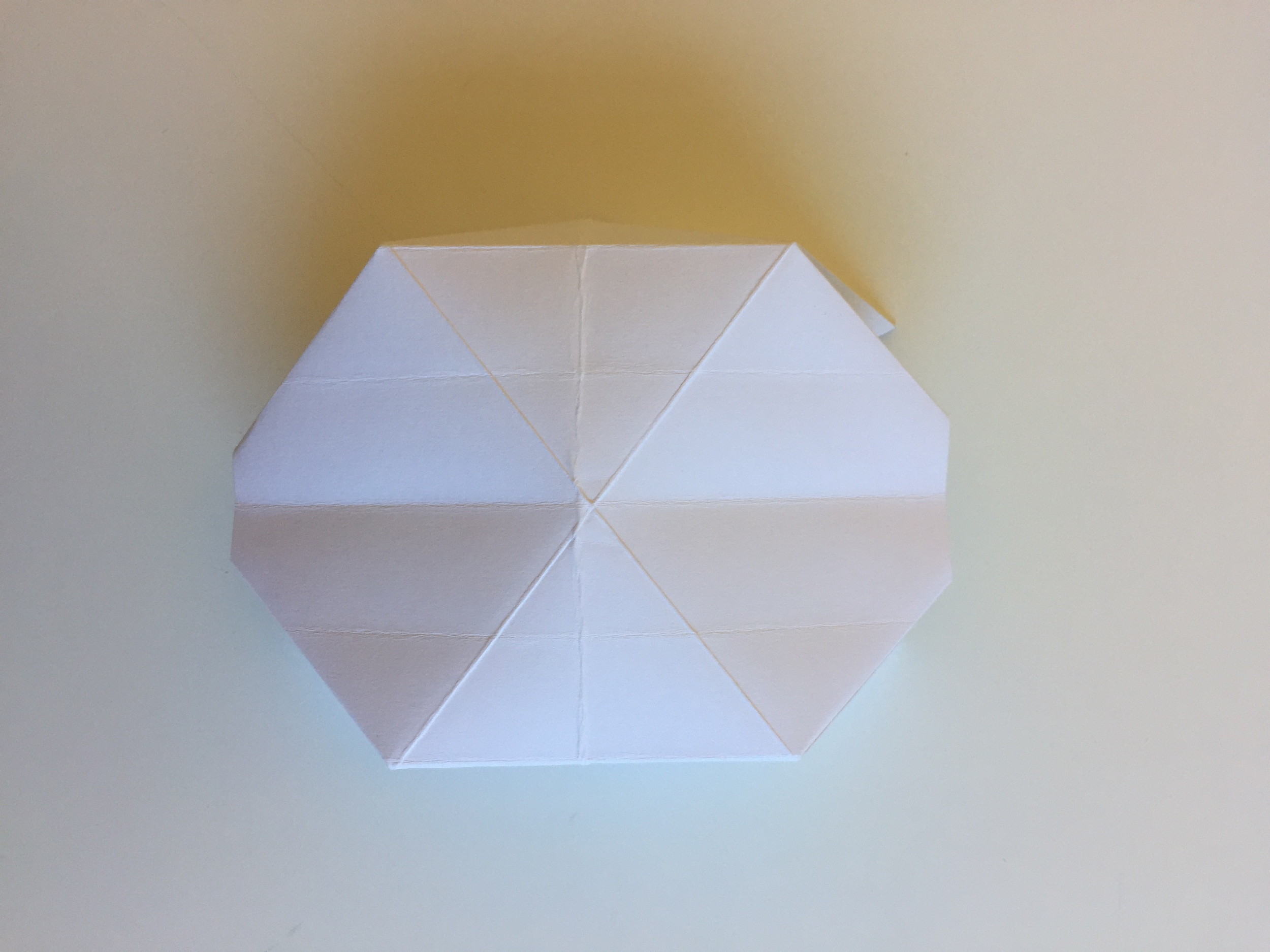
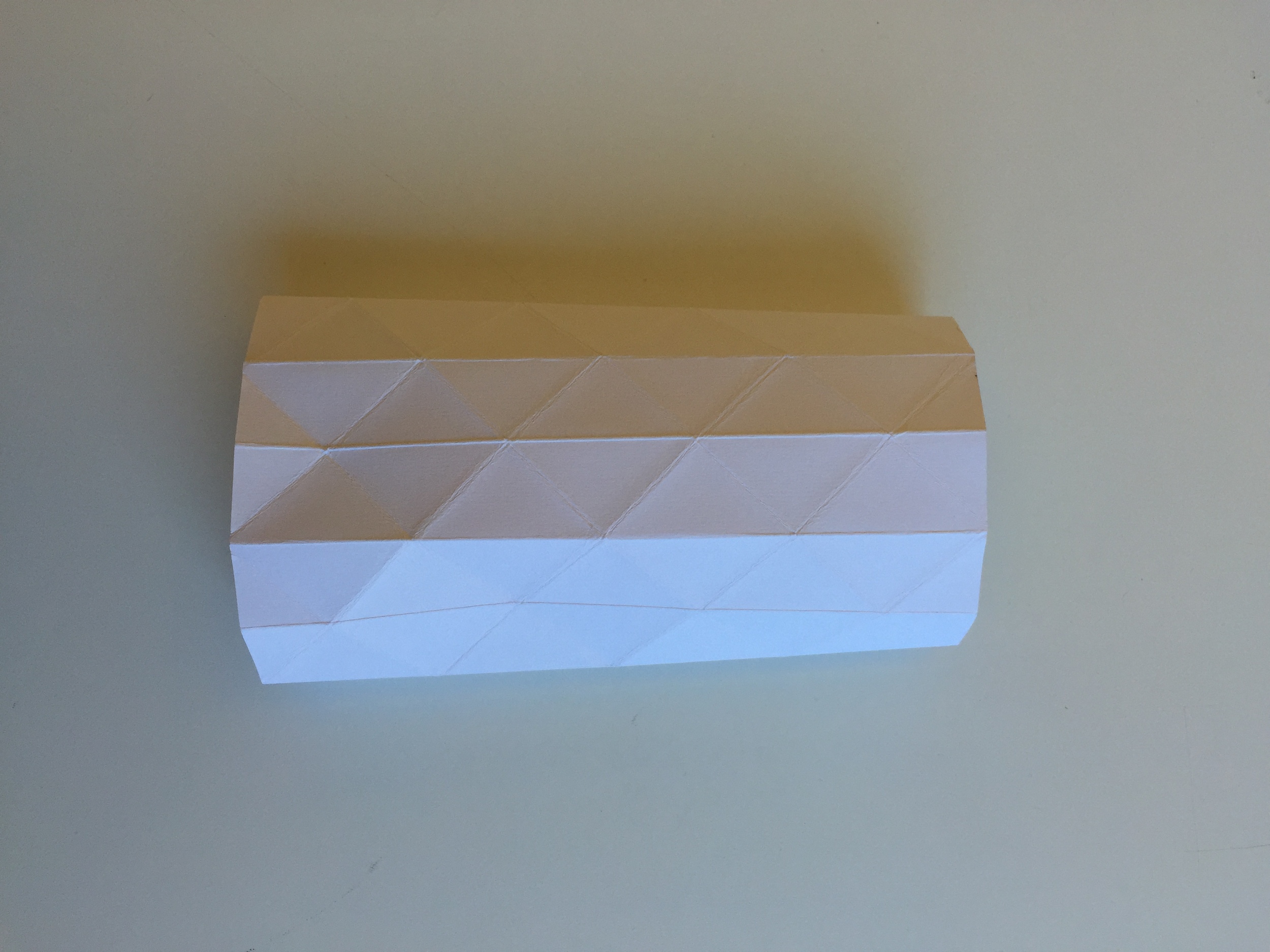
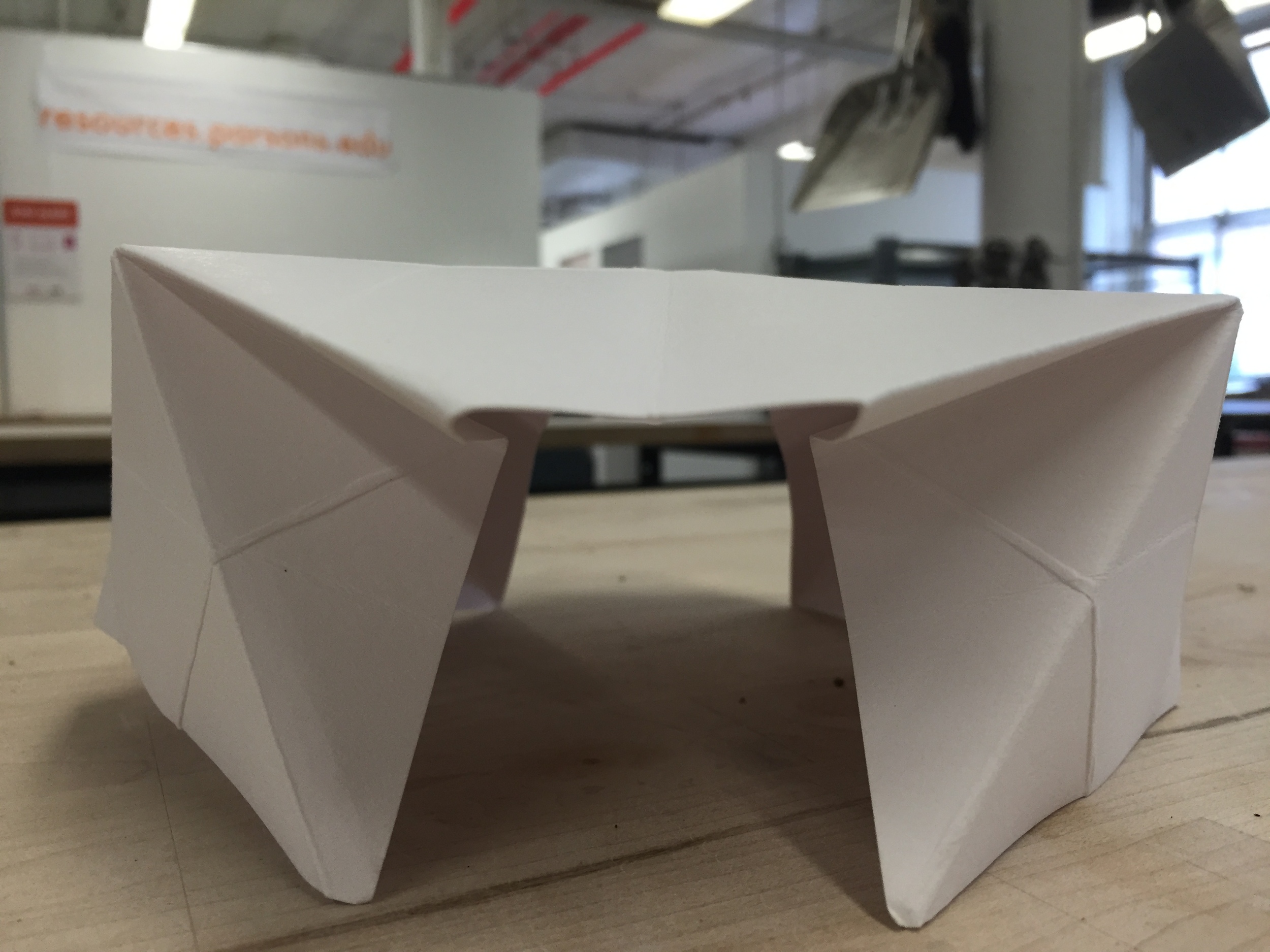
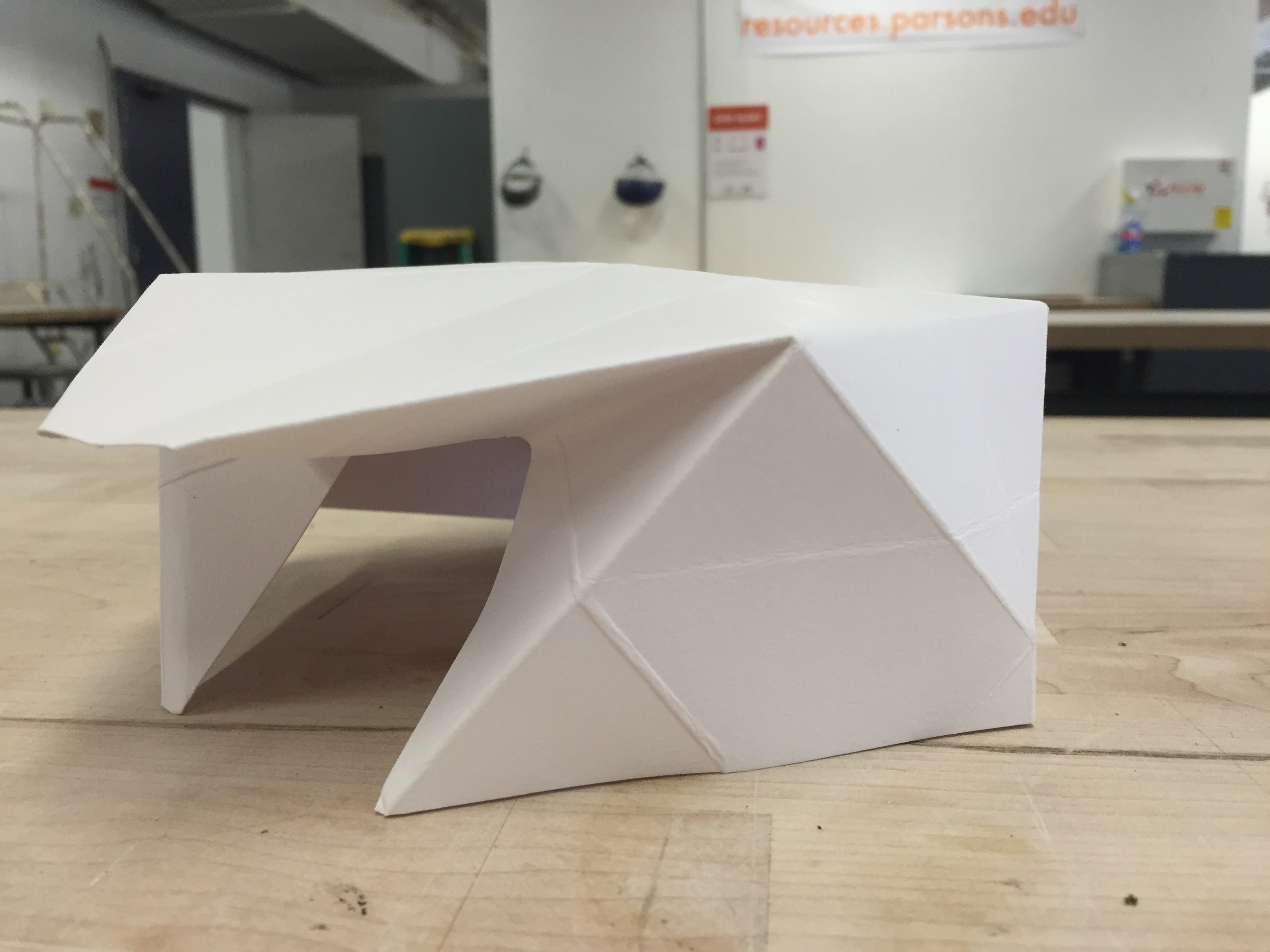
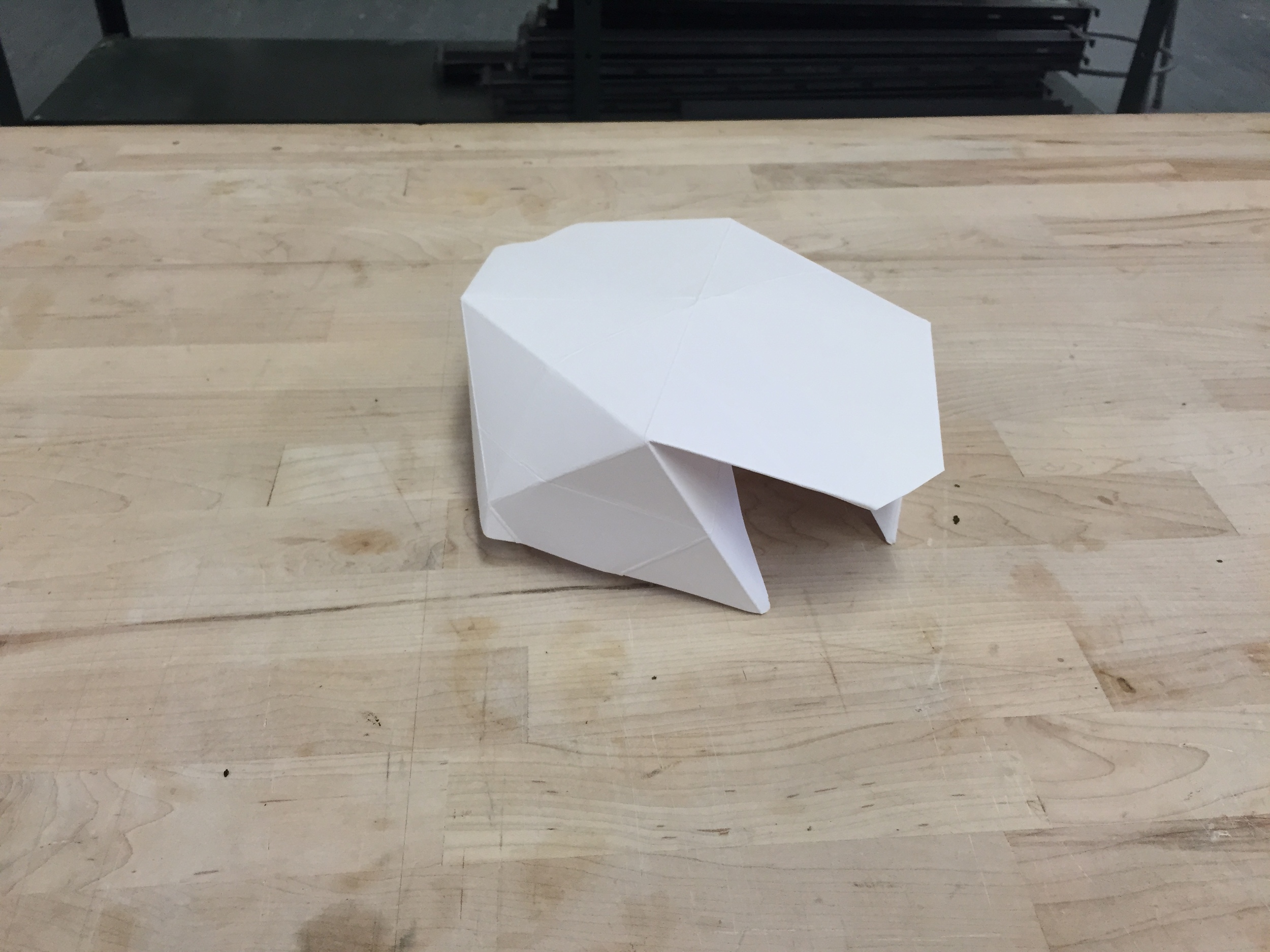
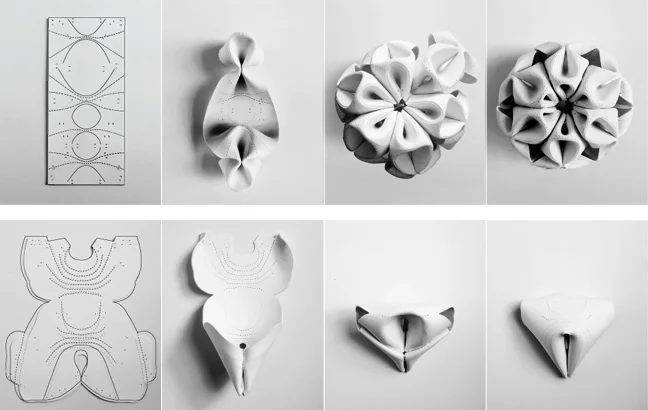
I started out playing with paper folding techniques as a means of making small scale prototypes of interesting shapes that could later be translated to large scale models. Having played with complex geometrical shapes using origami for a previous project, I understand how the tactile experience of paper folding helps the brain better comprehend the intricate mathematics and dimensionality that is encompassed in these complex forms.  

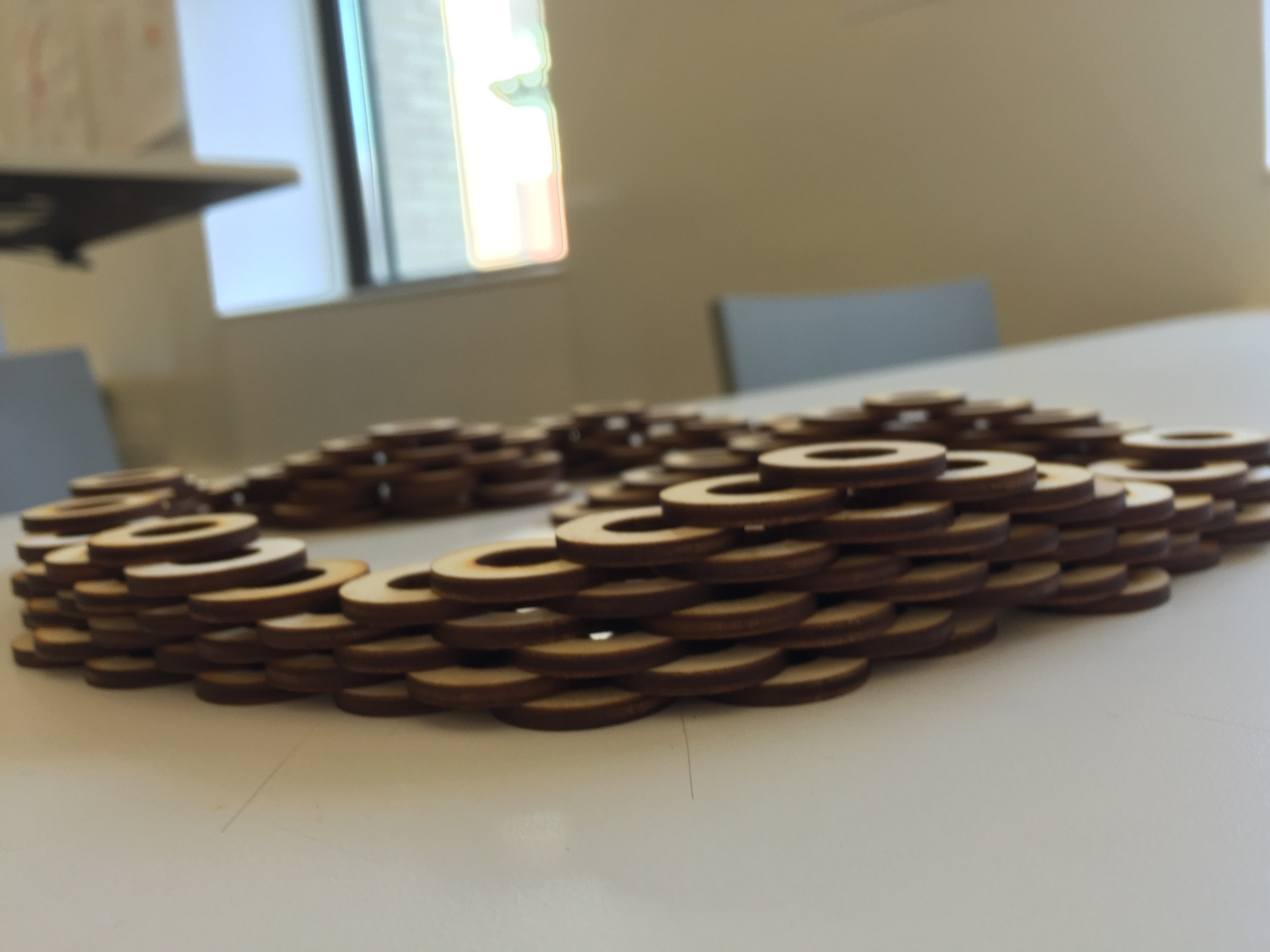
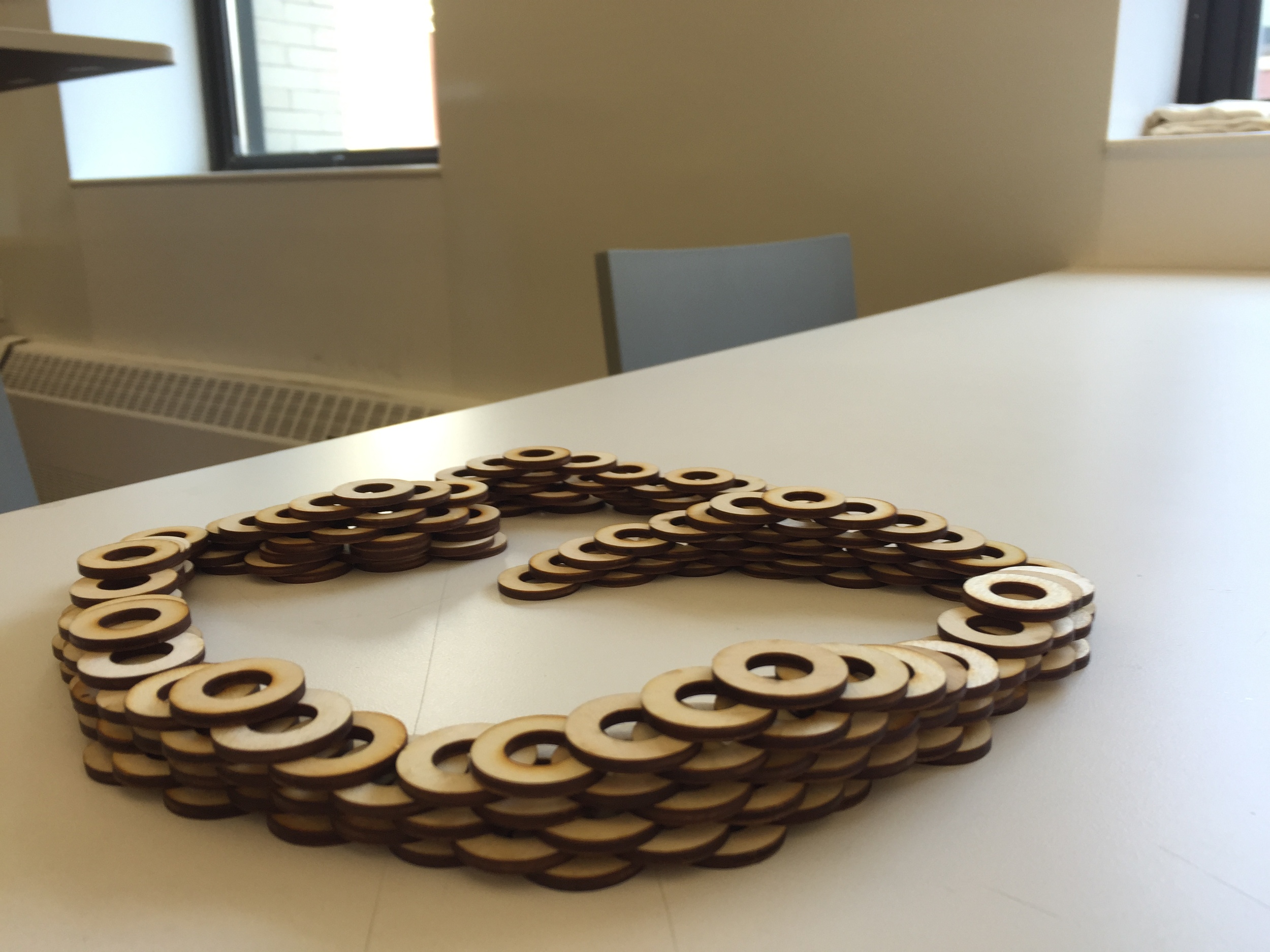
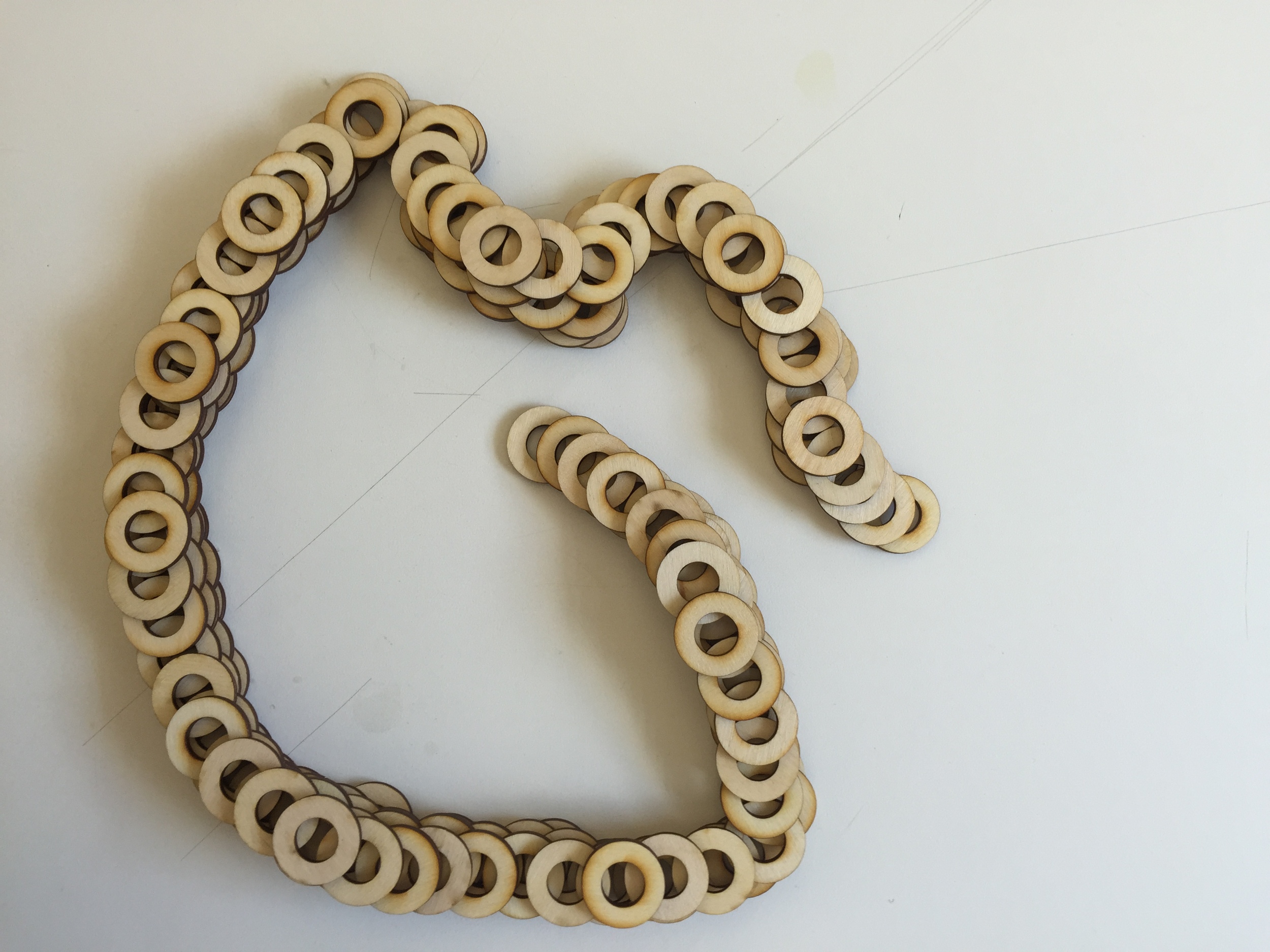
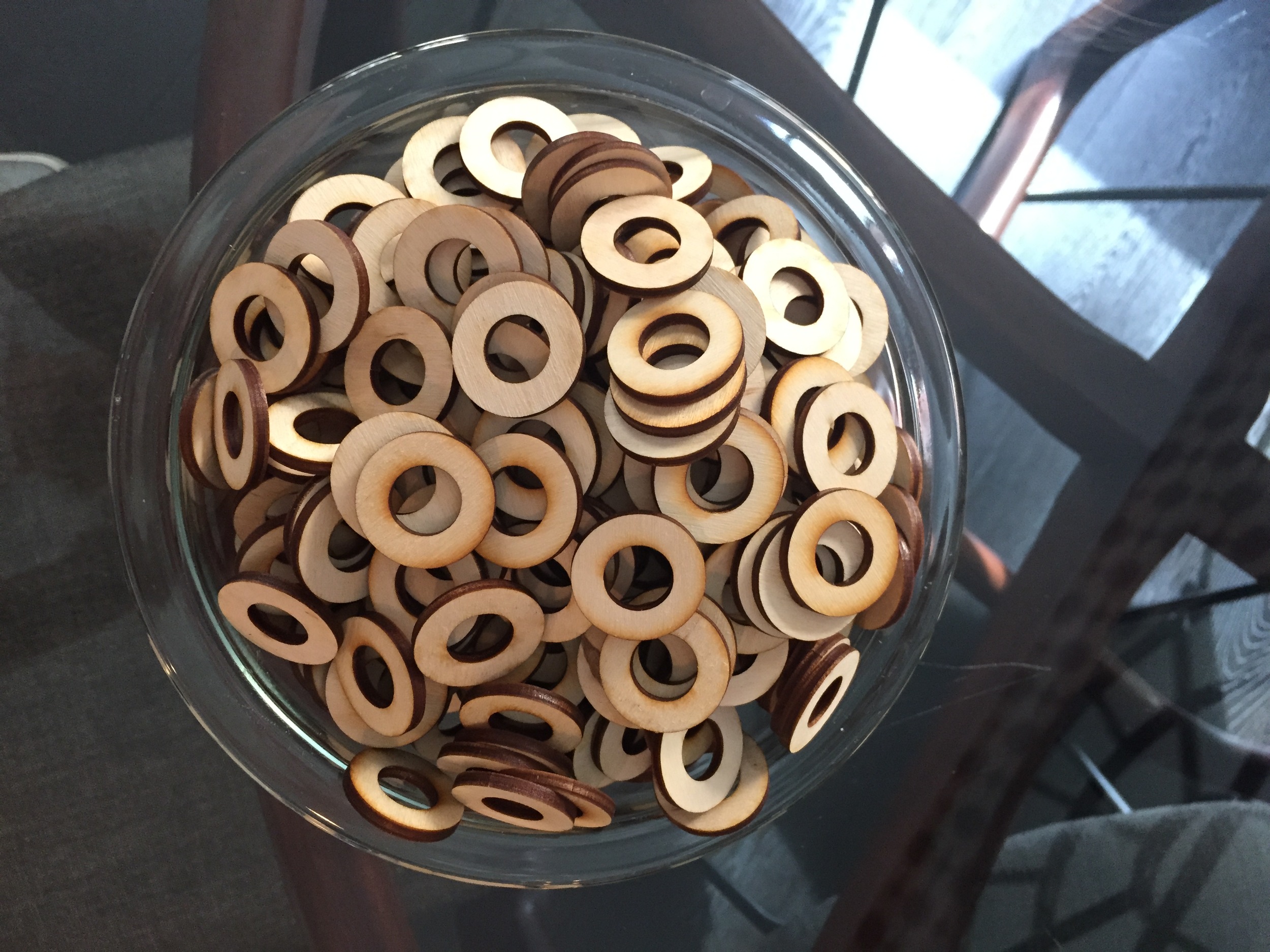
I then experimented with wood as an alternative medium to juxtapose with paper. I used the laser cutter to cut small "torus like" pieces. I played with shape and form. First I started out with free form stacking allowing any shape to emerge. I then tried making more rigid shapes in specific patterns. 

Key questions/learnings from Prototype I:

  1. What materials/bio fabrication techniques can I use to demonstrate fractal patterns in nature? How can I best demonstrate that the micro scale is a mirror of the macro scale? 
  2. How can materials help aesthetically tell the story? (See Silk Pavilion) 
  3. What geometrical shapes best represent and help conceptualize the theme of the micro/macro duality I am trying to explore?
  4. What global issue/problem can an architectural art piece address? How can this work be more than just an art project and help raise awareness of the problems we will face in the age of the anthropocene? (See Bio Map of 11 Billion)
  5. In what way can an architectural scale installation (compared to a small diorama on a table) help dictate a narrative about the micro/macro scale and the general concept you are exploring? (Think about the scale ramp of the solar system at natural history museum or Matsys' FLUX).  
  6. Is there a way of incorporating sensors and movement into the architectural scale such that (like paper foldings) the piece moves/undulates based on a visitor's movement under and in the piece? (See Hexshell) And what purpose would this serve? How would this movement help to narrate the concept?

Understanding Biological Systems and the Implications for Design

Pipets in a line

Pipets in a line

Order in the chaos

Order in the chaos

Interview:

Oliver Medvedik, Ph.D. is the Co-founder of GenSpace, Director of Science at Terreform ONE,  Assistant Director of the Maurice Kanbar Center for Biomedical Engineering at The Cooper Union and was, among his many other accolades, a 2012 Ted Fellow.


Readings: (full MLA citation to come later)

1.    An Organism’s Microbiome May Drive Evolution of New Species

2.    Host Biology in Light of the Microbiome: Ten Principles of Holobionts and Hologenomes

3.    A Symbiotic View Of Life: We Have Never Been Individuals

4.    A Shadow Biosphere

5.    Hypersea Invasion

6.    Designer microbiome: MIT biologists program common gut bacteria

7.    Better Living Through Germs: Design for the Microbiome


Terms:

·      Biomolecular networks

·      Microbiota - the microbes in or on a host, including bacteria, archaea, viruses, protists, and fungi

·      Epigenetic - Biology relating to or arising from nongenetic influences on gene expression

·      Ribosomes - minuscule but highly complex molecular devices composed of both protein and nucleic acid (RNA).

·      holobionts - composed of the host plus all of its symbiotic microbes

·      hologenome – a concept that is a holistic view of genetics in which animals and plants are polygenomic entities

Earlier this month I was re-watching the NOVA series by Briane Greene called The Fabric of the Cosmos. In one of the episodes Dr. Greene discusses String Theory and how these tiny vibrating strings might very well be the fundamental building blocks of the universe. Furthermore, that the mathematics of String Theory dictates that there must exist a 10-dimentional framework. Meaning, there is far more to our reality than the 3 dimensions (plus time) that we live in. And somehow, when you look at images from the Hubble telescope or gaze at the night’s sky, it is not too far of an intellectual leap to image that, yes, there is so much more that exists in the cosmos that we do not understand. I can’t help but make a parallel observation when thinking about planetary biology. Scientists are just beginning to understand the complex relationships between the microcosm and the macrocosm. The vast molecular systems that make up our planet and our own bodies may have more “dimensionality” than we realize.

In the paper A Symbiotic View Of Life: We Have Never Been Individuals the authors write that advances in bio-technology have “dramatically transform[ed] our conceptions of the planet’s biosphere. They have not only revealed a microbial world of much deeper diversity than previously imagined, but also a world of complex and intermingled relationships—not only among microbes, but also between microscopic and macroscopic life” (Gilbert, et al. 326). What’s more interesting is that the make-up of the microbiome in plants and animals may in fact be drivers of the most fundamental aspects of ourselves including our genetics and even our behavior. “Symbiotic microbes are fundamental to nearly every aspect of host form, function, and fitness, including in traits that once seemed intangible to microbiology: behavior, sociality, and the origin of species” (Bordenstein, 2). In my conversation with Dr. Medvedik this week we discussed the idea that trauma, such as post-tramatic stress, could be passed down through genetics (epigenetics). Could it be though that it is the microbiome that responds, or even dictates our response to stress and to trauma?

The implications for design are vast when considering the microbiome. Researchers at MIT have recently begun to experiment with “programming” cells by modifying their DNA – in other words bioengineered microbiome. Designers have already begun to respond to these ideas. In the article Better Living Through Germs: Design for the Microbiome, designers have come up with unique ideas that sit at the intersection of science, design and technology. For example, Tim Kim created a design future “app that turns the opaque functions of your internal organs into dynamic data visualizations” directly on your smart phone.

Gilbert reminds us that “[w]e perceive only that part of nature that our technologies permit and, so too, our theories about nature are highly constrained by what our technologies enable us to observe” (Gilbert, et al. 326). Yet, designers, have already begun to imagine the possibilities of how we can make our lives better by harnessing the massive power of the microbiome.

Speculation:

Understanding more about the human microbiome will enable us to understand how to manipulate DNA in the course of a person's own life. Meaning, is it possible to change your "genetic code" (today) by modifying the bacteria that live inside you?

And if this is possible to do on the human scale, how could modifications or further insight into the microbes on Earth help us combat the planetary devastation caused by Climate Change?

Next Nature describes our planet as having a geosphere, a biosphere and also a noosphere - the realm of human thought. Is it possible that, as we now understand that we are part of a hologenome with the microbiome in our bodies, we are part of a larger system connected by the human consciousness on the planet? Do changes in the noosphere crate changes in our bodies or the planetary biosphere? Are all systems interconnected in ways we cannot fathom?

Grid of Nine Refinement

I would like to research several of the most compelling practices in bio design — a design practice that incorporate living systems into the artifice. From this research I will develop a project at the intersection of computer science, material engineering, design, and ecology. 

Digital

  • A creative coding experiment to simulate and model biological system
  • A creative coding project that takes the user on a journey through space and time. Taking inspiration from the Clouds documentary, this project would be an on-line immersive experience designed for a mature audience meant to educate, but mostly inspire the user to think about her/his place in the cosmos.

Installation

  • A dynamic and interactive immersive installation. Taking inspiration from Yayoi Kusama, this project would be a mixed media large-scale installation.
  • An investigation in digital and biological fabrication at scale by researching a biological media such as fungi, silk worms, or algae. A physical installation (large-scale architectural object) of the embodiment of the system at the architectural scale using 3d printing, physical computing and large-scale machining/fabrication.

Physical Objects

  • A critical design project/design fiction art endeavor that seeks to alert users to the impact of climate change and the age of the anthropocene. The project would address the conditions in which we might live in a post-disaster world. In particular, by featuring biologically inspired/fabricated artifacts, the project might propose actionable solutions.
  • In the spirit of Buckminster Fuller, I will design and write an operating manual, a sort of manifesto. This will take both a physical and digital form. This would be a critique of living and operating in the age of the anthropocene.
  • Thinking about Sol Lewitt’s open cubes and Buckminster Fuller’s geodesic dome as the physical objects that synthesized their work, I would make a series of objects that embody and encapsulate the research

Domain: [computational design] [digital fabrication] [materials science] [synthetic biology]

Scale: [micro] [macro]

Free Association of Words:

Architecture. Design. Computation. Materials. Scale. Digital and Physical. micro and MACRO. Bio and Astro. Nature inspired design. 

Nature inspired algorithmic patterns:

Inspirational Ideologies:

Inspirational Projects:

Grid of Nine

Thesis 1 Grid of Nine assignment. Here is the full pdf.

Helpful Tips

Here are some useful tools for tools for JS programing:

Responsive Web Design

https://www.responsinator.com/

http://www.responsivegridsystem.com/

http://isotope.metafizzy.co/layout.html

Helpful RGB Conversions

http://www.rapidtables.com/convert/color/rgb-to-hex.htm

Helpful JS sites for JSON

https://jsfiddle.net/

http://jsonprettyprint.com/


Other Links

/**
 * Returns a random number between min (inclusive) and max (exclusive)
 */
function getRandomArbitrary(min, max) {
return Math.random() * (max - min) + min;
}

/**
 * Returns a random integer between min (inclusive) and max (inclusive)
 * Using Math.round() will give you a non-uniform distribution!
 */
function getRandomInt(min, max) {
return Math.floor(Math.random() * (max - min + 1)) + min;
}

Prototype V: Backend Development - Client Side

Prototypes of the front end system were made using Javascript three.js libraries to simulate the Rotegrity Sphere of the Urban Fod Pod. Further code was written to prepare to receive the data from the Spirulina bottles. 

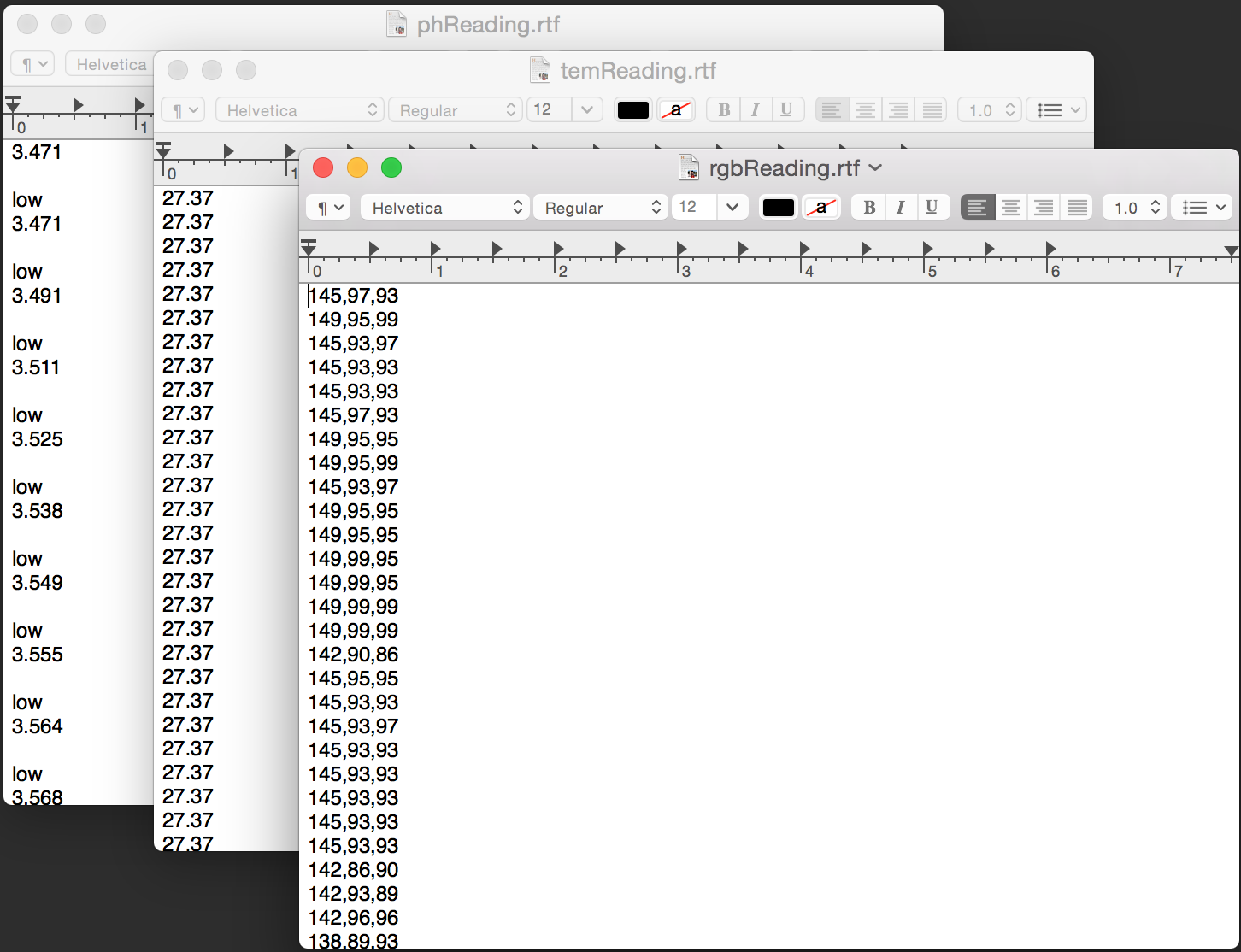
I put together a data-set of “simulated data” in order to begin to write the code to read-in this data from the Arduino. The data set is made using JSON formatted data. Now that my server-side code is pulling from a JSON file, once the sensors/hardware are fully functional, it should be a very simple exercise of sending the data from Arduino to the MongoLab hosted database and then sending it to the client-side (web-site). 

Internet of Plants: Plant Communication

This article is very inspirational in thinking about actually harnessing the power of plant communication. I think further research could be done in this area and may prove to be a fertile ground for truly understanding distributed networks and cooperative systems. Understanding how plants communicate may solve many of the problems we humans will face in the age of the anthropocene. This may be the key to solving our food and energy issues.  

Prototype III: Further System Development

Research Questions:

Plant System:

  1. How feasible is it to raise Spirulina for food in an urban environment?
  2. How much Spirulina (as food) will the Urban Farm Pod System produce on a daily basis?
  3. What is the optimum environment to produce fresh Spirulina in an urban farm setting? 
  4. How efficient is Spirulina in terms of providing nutrients into the human diet?
  5. What types of food product can we make with our Urban Farm Pod System Spirulina?
  6. What can a networked living system (i.e. internet of plants or smart systems) tell us about growing gardens and food?

Network System:

  1. How can the pod behave more like a living system, i.e. a cooperative, system that shares resources and communicates? Can networking/data monitoring assist in this process?
  2. How can monitoring-at-a-distance (iOS or web) benefit users of this system?
  3. What can we gain from having sensors/data monitoring? What do we do with this data?


Image from Jimmy Tang

Image from Jimmy Tang

Image from Jimmy Tang

Image from Jimmy Tang